
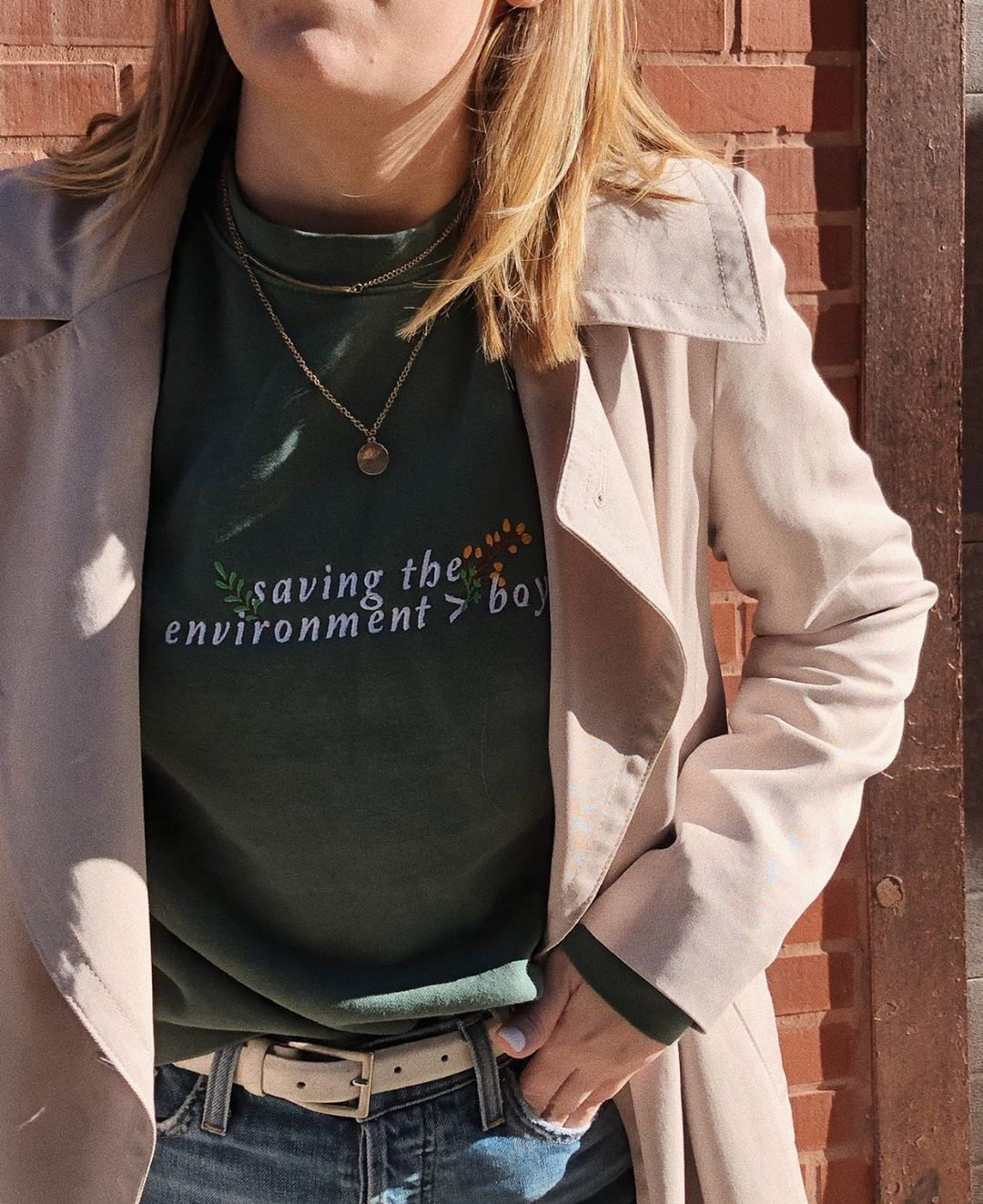
“Disposable clothing is the worst thing to happen to our generation and I will do everything in my power to extend the lives of all garments around me.”
-Carley Ives
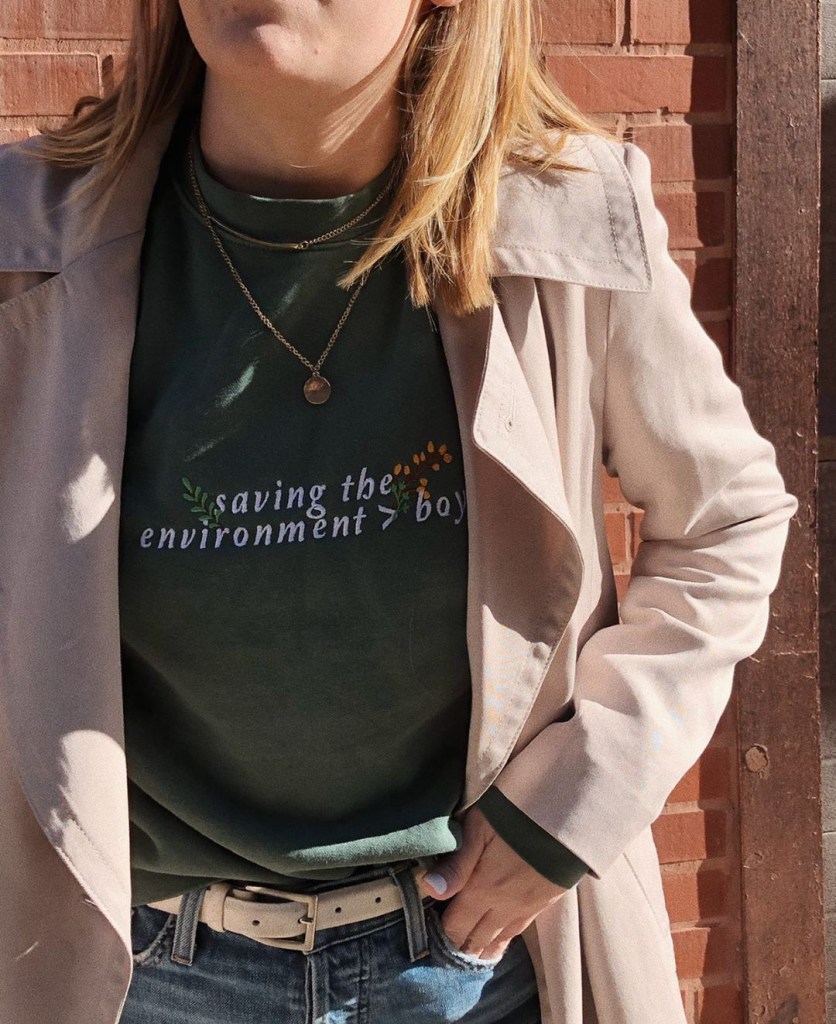
From fast fashion to thrift-shopping, our generation is torn in between prioritizing Instagram feeds or conserving the planet. Consumer habits, especially in the textile industry, have a significant impact on the environment. By increasing education on our shopping habits, we will be able to make more informed decisions when buying clothing.
Online shopping has popularized fast-fashion, which is defined as clothes that are created by marketers to quickly and cheaply be available to consumers. This hurts the environment because it creates a need for customers to have the latest clothing. With trends and garments that are not made to last long, clothes are being discarded at a toxic rate. These retailers are hurting women and the environment through these practices.
In order to stray away from this type of consumer behavior we need to learn about alternate ways to approach the way we look at fashion. Carley Ives is a student at Columbia College Chicago and whose mission is to find new technologies and resources that she believes will create a more sustainable society.
She hopes to end most fast fashion brands and shed light on their unethical practices. “People need to understand the effects that these fast fashion brands have on third world countries. Society must do more research on the brands from which they buy their clothes. If the company is not transparent to where their clothes are made, it’s for a reason. As more and more companies disclose their factory locations, it should alarm you when seeing the brands that are not,” Ives said.
Generation Z is guilty of purchasing clothing items that they do not need. They may wear an item a handful of times or once for a photo, then get rid of it after. This increases textile waste in our landfills, worsening our environment. Ives highlighted ways to combat this behavior: “Re-falling in love with the clothes that are already in your closet instead of buying a new top for every special occasion. Borrowing from friends and thrifting are also great ways to use what has already been purchased!” This way, we can circulate clothing instead of disposing of it.

She also discussed the importance of the practice known as mending. “If everyone knew how to sew on a button, or fix a ripped seam, I am sure the amount of clothes ending up in landfills would decrease,” Ives said. “Basic sewing knowledge is a great skill that will up the lifespan of your clothes. Even completely revamping old clothes is something that gives me immense joy. It’s like giving it a second chance! If consumers really wanna get serious about sustainable practices, we must learn how to mend and fix what we already own!”
She explained how this simple practice will change the way we look at clothes. “Studying fashion has caused me to switch my perspective from ‘oh this is a cute top’ to ‘wow, this took intense labor, hand sewing, toxic chemicals, and the lives of others to make’ which makes me ultimately want to hold on to it longer,” Ives said. “Disposable clothing is the worst thing to happen to our generation and I will do everything in my power to extend the lives of all garments around me!”
So next time you feel like you need a new outfit, shop in your closet, borrow something from a friend, thrift shop or mend old clothes. These alternatives can and will decrease the harm the fashion industry has on the environment.

 Jaylinn Reports